

As you are buying a property, the significance of understanding its condition cannot be overstated. A highly effective methods to gain insight into a property's state is through a Level 2 assessment. This type of assessment provides a thorough assessment, providing homebuyers detailed insight about the property's framework and potential issues. Whether you are a novice buyer or someone looking to put money in a new home, knowing what a Level 2 survey entails and when to obtain one can protect you from unexpected costs and ensure you take an informed decision.
This article will discuss the essential aspects of Level 2 surveys, such as what they entail, the advantages they provide, and how they compare to other surveys, such as Level 3 surveys and mortgage valuations. Ultimately, you will have a thorough grasp of how a Level 2 survey can influence your buying experience and the reasons it is a vital tool for maneuvering through the real estate market.
Understanding Level II Assessments
A Level II evaluation, commonly known as a Buyer’s Assessment, functions as a thorough analysis of a home's condition. Learn here of survey is particularly designed for conventional homes that are in a satisfactory condition. In contrast to a Level 3 survey, which delivers a more detailed analysis, the Level 2 survey gives a concise summary of any potential issues that may demand attention. It is essential for future buyers to be aware about the property's condition, highlighting any significant defects or problems that could influence their judgments.
When should you consider a Level 2 survey? If you are purchasing a standard property and want to ensure that you are making a wise investment, this survey is an outstanding choice. It helps identify not only major structural issues but also less critical defects, such as dampness, settling, or issues with the ceiling. Grasping these factors empowers buyers to negotiate better or reconsider their offers if necessary, protecting their investment in the long run.
Ultimately, a Level 2 survey balances completeness and accessibility, making it suitable for homebuyers who need accurate information without unnecessary depth. By understanding what a Level 2 survey includes and how it can assist the buying process, prospective homeowners can handle their purchase with greater confidence and insight.
Cost and Value of Level 2 Surveys
The price of a Level 2 survey can differ depending on factors such as the property's location, dimensions, and complexity. On typical, you might expect to pay ranging from £500 to £1,500 for this type of examination. It is essential to factor in this expense as part of your overall financial plan when buying a home, as the insights gained from a Level 2 examination can protect you from unexpected maintenance costs down the line.
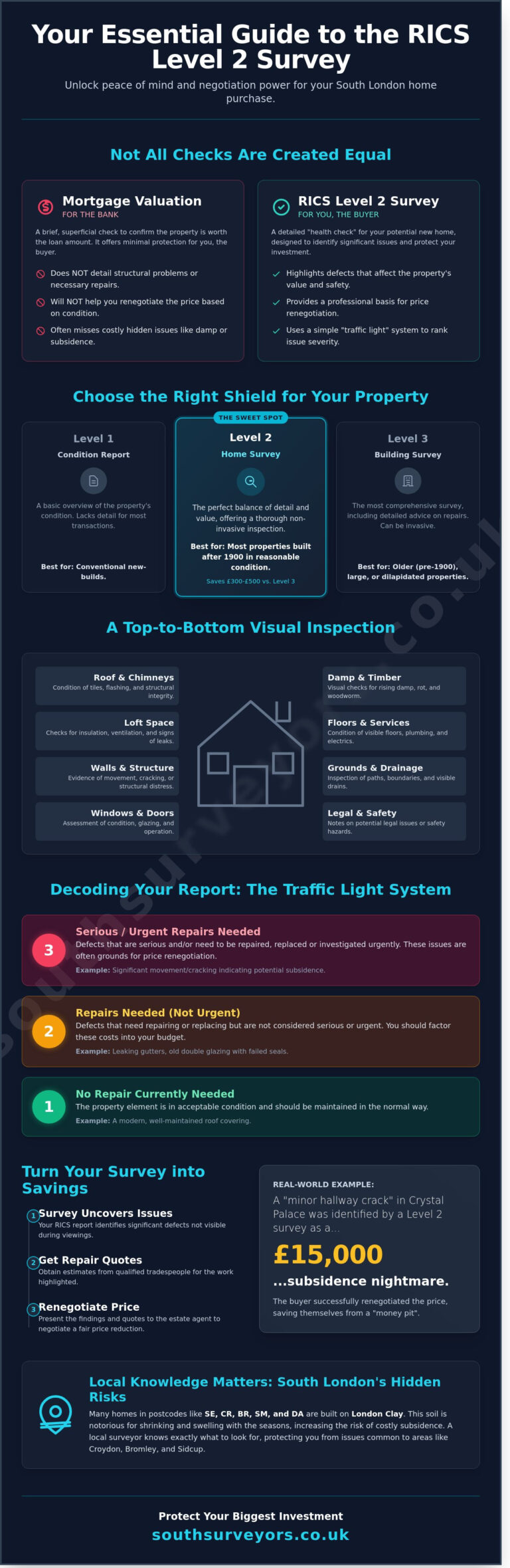
Grasping the significance of a Level 2 examination is vital for homebuyers. This survey provides a comprehensive evaluation of the property's condition, identifying any significant defects or issues that could impact your investment. By highlighting areas that may need attention, a Level 2 examination empowers buyers to make educated decisions, whether to continue with the buy or discuss repairs with the vendor.
Additionally, a Level 2 examination is particularly vital for historic properties, which may present additional risks. Structural issues, moisture issues, and other defects are more frequently to surface in these properties. By investing in a Level 2 survey, purchasers not only gain assurance but also a clearly detailed insight of the property's condition, allowing for better long-term care planning and potential cost savings.
Selecting the Best Level 2 Surveyor
Choosing the appropriate Level 2 assessor is a crucial part in guaranteeing a comprehensive property assessment. Begin by seeking recommendations from friends, family, or housing professionals. Seek out surveyors who are members of established professional bodies, such as the Royal Institution of Chartered Surveyors (RICS), as it ensures they adhere to industry standards and ethics. Online reviews and testimonials can also provide insights into a surveyor's reliability and expertise.
Once you have a shortlist, it's vital to consider their experience, especially with properties comparable to the one you are considering. Question potential surveyors about their historical experience and how familiar they are with the local market and typical building issues in your area. This familiarity can be extremely helpful, as it allows them to detect potential problems more readily during the survey.
Finally, ensure clear communication with your selected surveyor regarding your needs and any specific concerns you have about the property. A good surveyor should make the time to understand your requirements and explain the survey process, which encompasses methodologies and timelines. This clarity will help you feel more secure in their abilities and in the findings of the Level 2 survey.