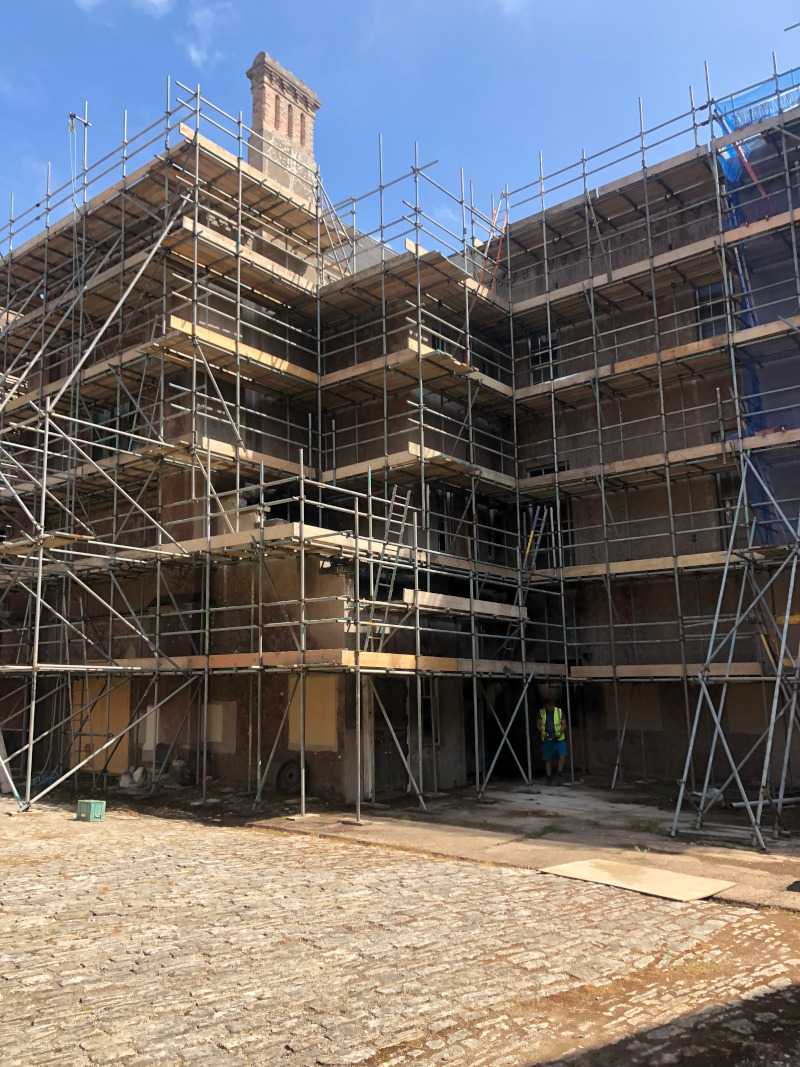
In the fast-paced world of industrial construction, safety and productivity are essential. At the heart of these two critical elements lies the proficiency of industrial scaffolders. These workers play an key role in ensuring that construction sites operate efficiently and safely. With their knowledge of scaffolding systems and safety regulations, they provide important support for multiple projects, from multi-story buildings to elaborate renovations.
Grasping what business scaffolders do is important for anyone involved in construction management or contracting. They’re not just constructing structures; they are laying the framework for a safe working environment. By utilizing correct scaffolding solutions, they allow workers to access elevated areas safely, boost project workflow, and comply with rigorous safety standards. This article will discuss the value of industrial scaffolders, the diverse types of scaffolding used in the industry, and the effective practices that ensure security and reliability on construction sites.
The Importance of Scaffolders for Businesses
Scaffolders play a critical role in the building sector, serving as the backbone of large-scale projects. Their expertise ensures that workers can access upward spaces safely and effectively, allowing work processes to proceed as scheduled. With a strong understanding of engineering principles and safety standards, commercial scaffolders are necessary for creating reliable frameworks that support a range of building operations.
Worker safety is a major concern on building locations, and commercial scaffolders are trained to adhere to strict safety standards. They enforce safety measures that minimize accidents and injuries, shielding not only the crew members but also the people nearby. Given the complicated nature of commercial construction, the presence of skilled scaffolders is crucial in lessening risks associated with falls and equipment failures, ultimately contributing to a less hazardous work environment.
Moreover, commercial scaffolders enhance the productivity of construction efforts by providing specific scaffolding solutions that address specific project needs. Their ability to modify to different environments and challenges ensures that construction teams can work at highest levels, maintaining projects on schedule and on track. By coordinating with project managers and other contractors, commercial scaffolders help optimize processes, allowing for easier work processes and on-time project deliveries.
Safety Regulations and Best Practices
In the realm of commercial scaffolding, conformity to rigorous safety regulations is crucial. Scaffolders must be knowledgeable in local, national, and sector-specific safety standards, including those outlined by organizations such as the Occupational Safety and Health Administration (OSHA). These regulations cover various factors of scaffolding, including appropriate assembly, load limits, and inspection protocols. By following these guidelines, commercial scaffolders ensure not only their own safety but also the safety of each worker on the construction site.
Optimal practices in scaffolding go further than mere compliance with regulations; they involve a forward-thinking approach to safety. This includes conducting routine training sessions for all personnel involved in scaffolding activities, ensuring that they understand the possible hazards and safety protocols to mitigate them. Proper inspection and maintenance of scaffolding equipment are also vital, with scaffolders performing daily checks to discover any wear or damage that could compromise structural integrity.
Additionally, effective communication on-site plays a crucial role in maintaining safety standards. Commercial scaffolders need to work closely with different construction teams to ensure that everyone are aware of ongoing scaffolding operations and likely risks. Using visual aids, such as safety signage and explicit organizational procedures, helps reinforce a culture of safety. By emphasizing these best practices, scaffolders contribute substantially to the overall safety and success of business construction projects.
Picking the Right Scaffold Solutions
Selecting the right scaffolding solution is crucial for the success of any commercial construction project. Every project has its specific requirements, including height, type of work being done, and the project's particular conditions. Grasping the distinctions between different scaffolding types, such as tube and fitting or system scaffolding, can considerably affect safety and effectiveness. Assessing factors like load limits, the intricacy of access, and the timeframe of the project will aid determine which scaffolding system is best suited for the project goals.
It is also important to consider the expertise and dependability of the commercial scaffolding company chosen for the job. A qualified scaffolding contractor will not only deliver the necessary structures but will also make certain that they comply with safety regulations and standards. When evaluating potential contractors, question about their background with like projects, their safety record, and any new solutions they may present. This due diligence can lessen risks and ensure that the scaffolding is assembled to support the specific demands of the project.
Lastly, keep in mind the maintenance and inspection requirements for the scaffolding used. Frequent checks can spot potential issues before they become serious hazards. Hiring a scaffolding service that includes ongoing maintenance and support aids maintain safety and project efficiency. Visit this link with a reputable company that values safety, compliance, and quality workmanship will ultimately contribute to a successful commercial construction project.