

Every homeowner knows that basement represents a crucial part of the house, whether it's for storage, washing clothes, or even living space. However, numerous neglect the significance of proper waterproofing. A damp basement can lead to a range of issues, such as structural integrity damage, mold growth, and decreased property value. This is why comprehending the fundamentals of basement waterproofing is crucial for everyone.
In this detailed guide, we will examine different components of basement waterproofing, from identifying the indicators that indicate your basement requires urgent attention to comparing interior and exterior remedies. We will look into the costs related to waterproofing and talk about how this procedure can enhance your home's worth over time. By the conclusion of this piece, you’ll have all the information you need to safeguard your home and ensure your basement stays a dry, safe, and valuable part of your property.
Basement Water proofing Methods
Regarding cellar water proofing, property owners have numerous efficient techniques to choose from, all catering to particular needs and situations. A popular method is interior water proofing, entailing the application of sealants and coatings on the walls and floor of the basement to prevent leakage. This approach is typically non-intrusive and can be a great solution for minor leaks and moisture problems, providing a rapid and cost-effective way to safeguard the cellar from dampness.
On the other hand, outdoor waterproofing provides a more thorough method by tackling the water sources external to the home. Such an approach usually includes excavating around the foundation to apply waterproof membranes and drainage systems. By managing the flow of water around the property, exterior water proofing can stop significant water accumulation and stress against the sides, making it a more long-lasting long-term option for areas susceptible to intense rainfall or flooding.
Another method, worth mentioning is the installation of submersible pumps, which are crucial for homes in flood risk areas. A submersible pump collects surplus water that infiltrates the basement and removes it away from the foundation. This method is effective in combination with both internal and outdoor water proofing systems, providing extra protection and peace of mind, particularly during stormy weather. All these techniques has its pros and cons, and selecting the right one can greatly impact the effectiveness of your water proofing efforts.
Typical Lower level Problems
Basements are commonly prone to a variety of issues that can threaten their structure and purpose. One of the most widespread problems is water leakage, which can stem from intense rainfall, rising groundwater, or inadequate drainage systems. Homeowners may notice moist spots on walls or floors, mold growth, or a musty smell, all signals that water is penetrating the space. Fixing these issues promptly is vital to prevent more serious damage.
Another typical issue in cellars is humidity. Elevated moisture levels can lead to mold growth and create an unfit environment. Poor ventilation exacerbates this issue, holding humid air and making it difficult for the space to dehydrate. Go to this website should be alert about ensuring proper humidity levels to protect against health risks associated with mold and mildew.
Finally, structural damage can happen over time, often resulting from prolonged exposure to moisture or improper waterproofing measures. Fissures in the foundation or walls are indications that the structural integrity of the lower level is at stake. These problems not only impact the basement but can also lead to significant problems throughout the home, making it crucial for homeowners to tackle typical basement issues properly.
Choosing a Damp Proofing Solution
As you choosing a waterproofing solution, it is essential to analyze the individual needs of your basement. Start by analyzing the root causes of any moisture issues you may have encountered. Common issues can stem from inadequate drainage, incorrect grading, or even cracks in the foundation. Identifying these factors will guide you in establishing whether you need indoor or outdoor waterproofing methods. Each option has its advantages and drawbacks, so understanding the distinct requirements of your home is essential for making an informed conclusion.
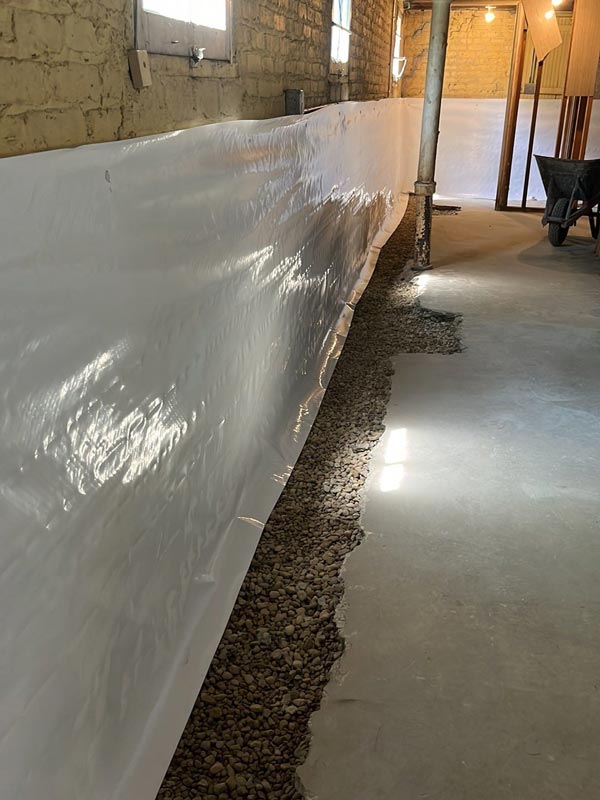
Interior waterproofing often includes the installation of sealants, sump pumps, and possible drainage systems. This choice can be successful for managing moisture levels and improving indoor air quality. However, if your home experiences considerable water intrusion, exterior waterproofing methods such as excavation and drainage installations might be more effective. Think about conducting professional assessments to fully grasp the landscape and specific issues affecting your property.
Cost is another important factor when choosing a waterproofing solution. While some DIY methods may seem appealing, they often do not provide long-lasting effects. Investing in a professional service can save you expenses in the long run by preventing structural damage and additional maintenance. Make sure to obtain multiple quotes and compare the services offered by different contractors, taking into consideration their experience and customer reviews. A smart choice in waterproofing will not only secure your basement but also increase the overall worth of your home.