

In today’s swiftly transforming world, the requirement for impactful and eco-friendly infrastructure approaches has increased significantly. Horizontal directional drilling, commonly known as directional boring, has emerged as a groundbreaking technology that fulfills these needs. By allowing for the installation of infrastructure beneath the land without heavy digging, directional drilling promotes the growth of cities while minimizing interference to surrounding environments. This cutting-edge approach not only improves project efficiency but also significantly lowers the impact on existing landscapes and populations.
As we explore the numerous facets of directional drilling, it is clear that this process is crucial for contemporary infrastructure projects. From safeguarding the natural surroundings to guaranteeing safe installations of utilities, the advantages are vast. This article will delve into key elements of directional drilling, featuring its uses in various sectors, the equipment and equipment used, and the difficulties that professionals may come across along the journey. Come along as we navigate through the subsurface and discover the advanced methods that are transforming the evolution of building and utility placement.
Advantages of Directional Drilling
This drilling method offers a variety of benefits that make it an essential technique for modern infrastructure projects. One of the primary benefits is its ability to minimize ground disturbance. Unlike old-fashioned trenching methods that often result in significant excavation, directional drilling allows for the installation of utilities with little impact on the surrounding environment. This is particularly helpful in cities where preserving traffic flow and access to businesses is crucial.
Another notable benefit is the adaptability of directional drilling in diverse applications, including utility installations for water, gas, and telecommunications. This method enables the installation of lines beneath obstacles such as roads, rivers, and delicate landscapes without the requirement for significant trenching. Horizontal Directional Drilling Derry Northern Ireland improves project efficiency but also lowers the likelihood of inconveniences to the infrastructure already in place and the surrounding community.
Moreover, this drilling method can lead to reduced costs in the long run. While the first investment in specific technology may be more expensive compared to conventional techniques, the decreased expenses for restoring the surface and reduced duration of projects often result in overall lower project expenses. Additionally, the accuracy of this technique helps to avoid expensive errors and revisions, making it a cost-effective choice for many infrastructure projects.
Directional Drilling Approaches and Uses
Directional drilling includes a range of methods created to traverse complex subsurface environments while reducing outer disturbance. Some of the most popular techniques is Horizontal Directional Drilling (HDD), which facilitates for the installation of infrastructure and lines beneath roads, waterways, and metropolitan systems sans the requirement for major excavation. Through using cutting-edge navigation technologies and excavation agents, HDD can form bent drill paths customized to specific job needs, positioning it an ideal choice for multiple infrastructure implementations.
Within city locations, the merits of directional drilling are notably clear. It assists reduce noise, traffic interruptions, and nature-related impacts typically connected with traditional excavation techniques. Focusing on a concentration on preserving the stability of prior facilities and environments, directional drilling allows the setup of potable, sewer, fuel, and fiber lines effectively and while achieving little interference. As long as urban areas persist to grow, the adaptability of directional drilling is increasingly essential in meeting the growing demand for modern infrastructure.
Moreover, specific deployments of directional drilling are emerging, notably in green energy projects initiatives. Wind installations and solar fields typically require the installation of telecommunications and power connections in difficult environments. Directional drilling enables for the efficient placement of these connections as maintaining the neighboring habitat. With developments improves, the possibilities for new applications appears endless, ranking directional drilling as a forerunner in the next of trenchless methods.
Challenges and Future of Inclined Drilling
One of the main challenges in directional drilling lies in navigating intricate geological formations. Fluctuations in ground material, rock density, and beneath the surface obstacles can significantly influence drilling accuracy and efficiency. Drillers often face unexpected ground conditions that require quick adaptations to their techniques. Investment in cutting-edge technology and training can help alleviate these issues, but they continue to be a critical aspect of ensuring successful project execution.
Additionally, administrative hurdles and permitting processes can pose significant hindrances in horizontal drilling projects. Each jurisdiction may have different requirements that need to be satisfied before initiating drilling activities. This not only adds to project timelines but also boosts costs. Simplifying the permitting process through improved collaboration between sector stakeholders and regulatory bodies could strengthen the feasibility and speed of future projects.
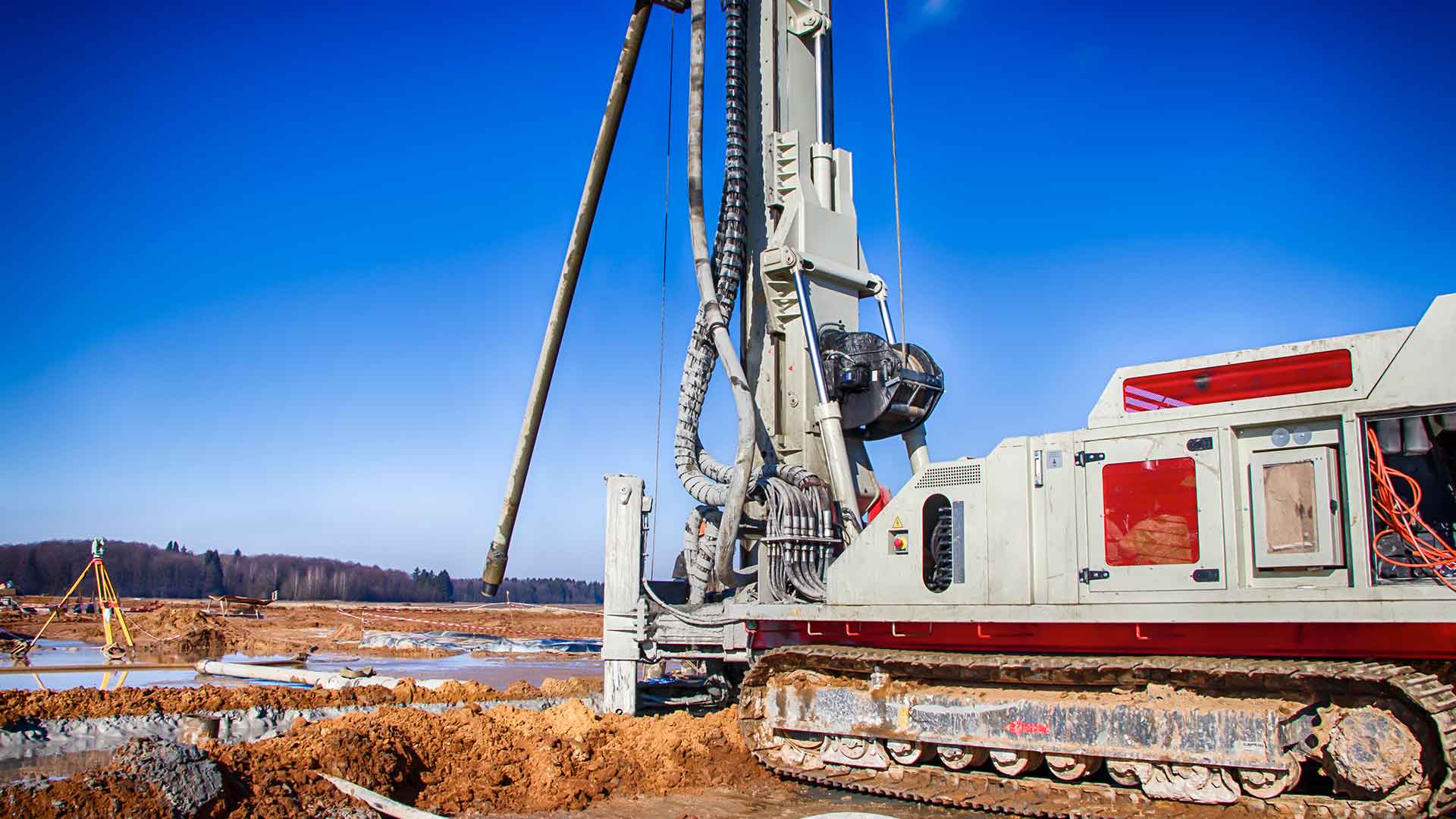
Looking ahead, the future of directional drilling technology appears promising, fueled by advancements in equipment and techniques. The inclusion of real-time data analytics, advanced drilling fluids, and autonomous drilling systems is expected to enhance precision and reduce harm to the environment. As cities grow and infrastructure demands increase, the advancement of directional drilling will play a crucial role in aiding sustainable utility installations while reducing disruption to urban environments.