

Teeth implants have revolutionized the method we manage tooth replacement, providing a durable and aesthetically pleasing option for those dealing with missing teeth. Whether due to accidents, decay, or other oral health issues, tooth loss can considerably impact one’s self-esteem and well-being. As more people look for efficient ways to restore their grins, understanding the ins and outs of dental implants becomes crucial.
In this comprehensive guide, we will discuss all you need to know about dental implants. Starting with the basics of what they entail and how they work to the benefits they offer over old-fashioned dentures, we aim to prepare you with the vital information to make informed decisions. We will discuss the different procedures necessary, what to expect during the procedure, and how to care for your implants for sustained results. If you are thinking about implants for the first occasion or simply looking to learn further, this guide is crafted to provide the clarity and confidence you need.
Understanding Dental Implants
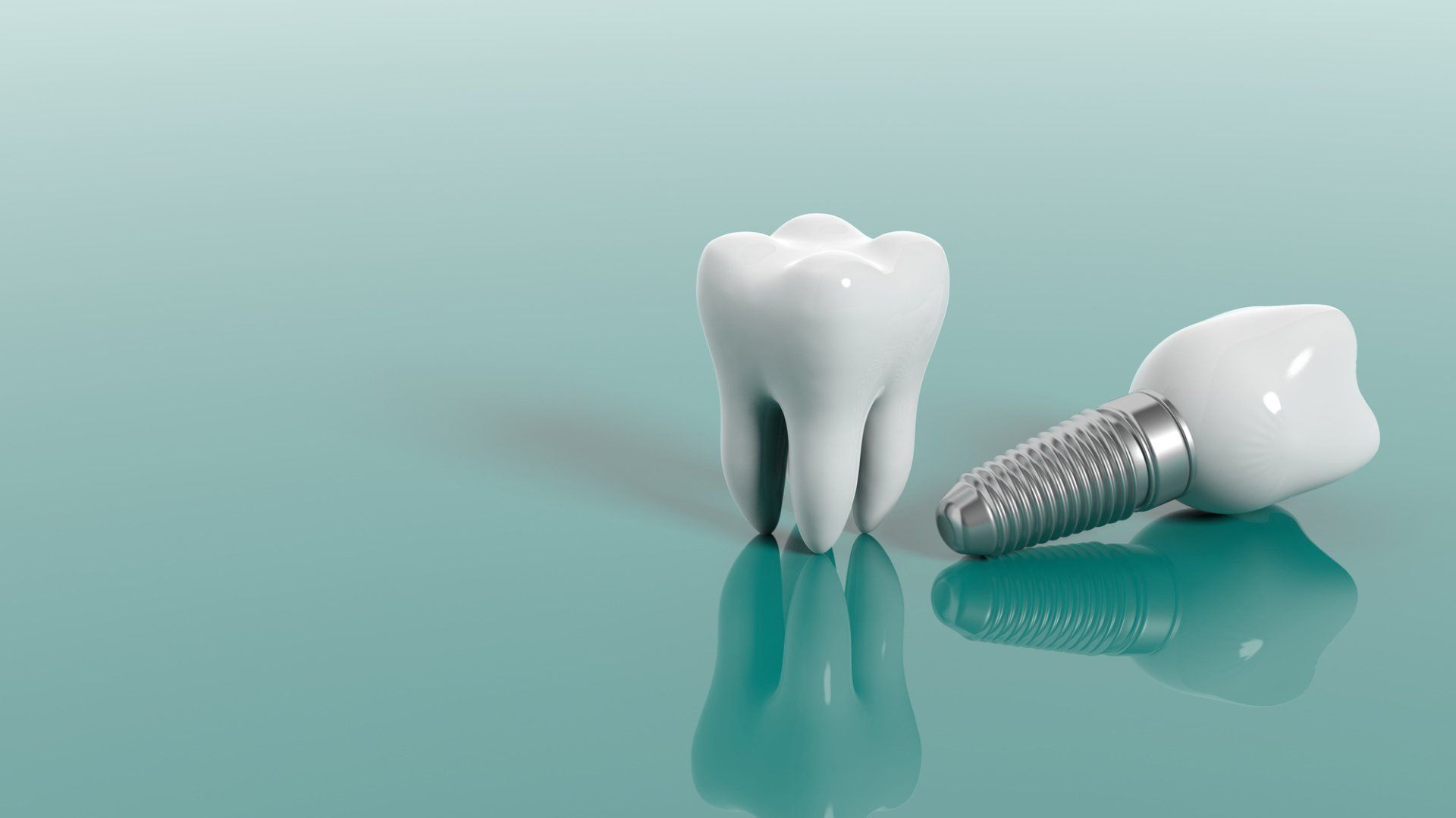
Dental implants are man-made tooth anchors made of biocompatible materials that are surgically placed into the jawbone to support substitute tooth or dental bridges. They provide a reliable and durable base for permanent or detachable teeth that are made to resemble real tooth. This cutting-edge approach has revolutionized the manner missing teeth are restored, allowing for better function and appearance.
The method of undergoing oral implants typically involves several stages, starting with a thorough assessment and treatment strategizing. The oral surgeon will evaluate your mouth status, the amount of jawbone available, and your general condition to determine the best approach. Once the device is inserted in the mandible, a healing period comes next, during which the anchor joins with the osseous tissue in a procedure called osseointegration. This ensures a stable link and supports the new tooth adequately.
One of the main pros of dental implants is their ability to bring back normal oral utility, allowing individuals to eat, speak, and smile with self-assurance. Unlike traditional false teeth, which can slip and cause inconvenience, implants are anchored securely within the bone, providing a reliable option. As a consequence, many people find that dental implants greatly enhance their standard of life, making them a popular choice for those seeking a dependable teeth solution path.
Advantages and Considerations
Opting for dental implants comes with numerous benefits that significantly enhance oral health and quality of life. One of the primary benefits is their durability; dental implants are designed to last for years, often a lifetime, when properly cared for. They provide a secure and reliable solution for missing teeth, facilitating improved speech and comfort while eating. Additionally, as opposed to dentures, dental implants do tend to not shift or slip, which can lead to discomfort and embarrassment in social situations.
Another essential advantage of dental implants is their role in preventing bone loss. When a tooth is lost, the bone underlying that area begins to deteriorate due to lack of stimulation. Dental implants act as artificial roots, stimulating the bone and helping to maintain its density and structure. Furthermore, they contribute to a more authentic appearance, closely resembling the look and feel of natural teeth, thus restoring confidence in one’s smile.
However, there are several factors to keep in mind before proceeding with dental implant surgery. partial dental implants requires a commitment to oral hygiene and consistent dental visits to ensure long-term success. Additionally, the initial cost of dental implants can be considerably higher than alternative options, although many find the investment worthwhile due to their longevity and benefits. It's also important to assess personal health conditions and factors such as smoking, which can influence the success of the implants. Overall, a thorough consultation with a dental professional is crucial to weigh these advantages and factors.
Post-Procedure Management
Following your implant procedure, proper maintenance and supervision are essential for a successful healing process. At first, you may face inflammation and pain, which can be addressed with recommended drugs and cold compresses. It's vital to adhere to your oral health professional's instructions on handling pain and ensuring that the operated site stays clean to prevent any possible infections. Gargling with a saltwater solution can further help keep the surgical site clean without irritation.
Keeping good oral hygiene is crucial as your dental implants recover. Gently brush and clean your teeth gently, avoiding the implant site for the initial days to allow for optimal healing. Your dentist will offer specific instructions regarding oral care throughout the initial healing phase. Regular dental appointments during this time are important to oversee the healing process and ensure there are no issues.
Ongoing care for dental implants includes continuing to follow a strong oral hygiene routine and going to scheduled dental visits. Use a gentle toothbrush and mild toothpaste to care for around the implant. Investing in an antibacterial mouthwash may additionally enhance your oral care regimen. By dedicating yourself to proper care, you can guarantee your implants last for an extended period and contribute to your total oral health.