

In the world of construction and building, precision is essential; it is a fundamental need. Measured building surveys play a critical role in ensuring that every project starts with a reliable foundation of exact data. These surveys offer comprehensive measurements and layouts of current structures, aiding to inform renovation projects, novel designs, and efficient space planning. The importance of utilizing precise survey data cannot be overstated, as it immediately influences the success and productivity of construction projects.
As we delve deeper into the subject of measured building surveys, we will examine what these surveys entail, their various applications in distinct industries, and the innovations that have transformed the measurement process. From scanning technology that enhance precision to the incorporation of Building Information Modeling (BIM), the evolution of measured building surveys continues to shape the environment of construction and design. Understanding the value of these surveys is essential not only for architects and contractors but also for property developers and facilities managers who utilize detailed data to make informed decisions.
Comprehending Quantified Construction Surveys
Measured building surveys are essential resources used in design, property management. They entail recording the precise attributes and characteristics of a property by means of various methods, including classic measurements and advanced solutions like laser scanning. The objective is to generate accurate depictions of buildings, which can be utilized for renovating, refurbishment, and remodeling purposes. This information not only aids in developing thorough plan drawings but also offers insights into a building's condition and attributes.
The importance of measured building surveys cannot be overstated, as they form the cornerstone for efficient remodeling initiatives. By offering precise data about pre-existing conditions, these assessments help architects and engineers avoid expensive errors. This precision is particularly crucial in intricate tasks where even small inaccuracies can cause serious issues down the line, influencing schedules and budgets.
As technology continues to advance, the techniques used in quantified structural assessments are growing progressively refined. Developments such as three-dimensional laser scanning and virtual mapping facilitate increased detail and quicker information gathering. These enhancements not only increase the exactness of surveys but also facilitate the entire approval process. For professionals in the building and design fields, comprehending the importance of assessed structural assessments is crucial to guaranteeing positive undertaking results and enhancing efficiency.
Advantages of Measured Surveys in Design and Development
Calculated development surveys deliver vital data that significantly improves the architecture process. By offering precise measurements and comprehensive visual representations, these surveys allow architects and engineers to develop precise designs that mirror the existing state of a site. This accuracy is essential in minimizing errors during construction, guaranteeing that the final outcome fits with the envisioned project. Additionally, having a dependable foundation of data assists prevent financially burdensome alterations and delays that can arise from miscalculations or assumptions about a site's sizes.
Another important benefit of calculated surveys is their role in effective planning organization. With detailed information on site layouts, elevations, and architectural elements, project managers can formulate more feasible timelines and budgets. This information allows for better material allocation and coordination among various groups involved in the project. A thoroughly executed measured survey also aids in recognizing potential challenges early in the planning phase, enabling for proactive solutions that ultimately ease the development process.
In addition, measured surveys enable enhanced cooperation between various stakeholders. Architects, engineers, contractors, and clients can trust in a collective, exact set of data that encourages clear communication and understanding of the project’s requirements. This consensus not only boosts the effectiveness of choices but also ensures that everyone involved is on the same page with the project goals. As construction teams work from confirmed information, they can deliver higher quality outcomes that meet client expectations.
Technology and Future Trends in Survey Practices
The advancement of technology in measured construction assessments is changing how professionals handle data collection and analysis. With improvements in light sensing, measurers can obtain intricate 3D models of existing structures rapidly and precisely. This technology allows for great precision, which reduces errors and ensures that the data collected is dependable for planning and design objectives. The integration of 3D design software with assessment data enhances clarity and facilitates better cooperation among project participants.
Another significant development is the incorporation of unmanned aerial vehicle tech in survey practices. Measured Building Surveys Barnet London equipped with high-resolution cameras and LiDAR sensors can cover extensive areas in a fraction of the duration it would take traditional assessment methods. This aerial viewpoint not only improves efficiency but also offers access to hard-to-reach areas. As legal frameworks adapt to accommodate drone operation, professionals are increasingly utilizing these devices to increase precision and reduce project durations.
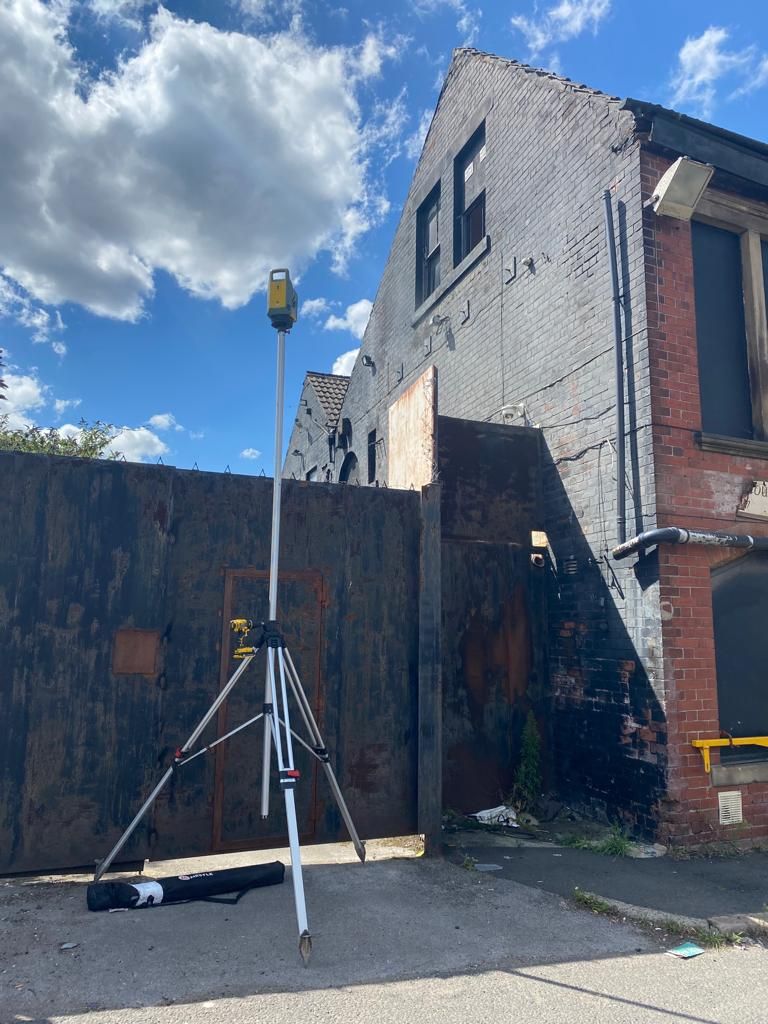
Looking ahead, the integration of Building Information Modeling (BIM) with quantified construction assessments is poised to revolutionize the field further. By combining precise survey data with BIM, architects and engineers can develop comprehensive digital models of structures that enable better development, testing, and lifecycle management. As the demand for sustainable and effective construction practices grows, the role of quantified construction assessments in supporting knowledge-based choices will become increasingly critical, ensuring that initiatives satisfy both current and upcoming requirements.