

In the rapidly evolving world of construction and remodeling, creating a culture of safety netting is essential for safeguarding employees and the community alike. This safety measure acts as a critical component in fall protection systems, providing a reliable barrier that avoids grave accidents and improves overall safety at the site. Grasping the different aspects of safety netting—including the types on the market and their particular uses to adherence with safety standards—can significantly reduce hazards and boost confidence on the job site.
While construction projects evolve and grow in scale, our safety measures must likewise our safety measures. This article aims to investigate the important function of safety netting in contemporary medical practice and beyond, analyzing its significance not just for tall structures but also for renovations, retrofits, and a variety of infrastructure projects. By addressing https://safetynettingoxfordshire.uk/ made in safety netting use and offering guidance on best practices, we aim to cultivate a strong safety culture that prioritizes the safety of each individual on-site.
Understanding Safety Netting & Their Significance
Safety netting refers to the installation of mesh net or netting installed at construction sites for fall prevention and protect workers from unforeseen hazards. It acts as an essential safety feature, catching individuals that lose their footing, thus significantly reducing the chances of major injuries or fatalities. In modern construction, installing safety netting is not just advisable but vital, given the rise in height and complexity of job sites. A culture of safety netting fosters a workplace where every team member feels responsible for their safety and the safety of their colleagues.
The significance of safety netting extends beyond short-term fall protection. It plays a vital role in ensuring compliance with safety regulations, such as those set by OSHA, which mandate that construction sites implement reliable fall protection measures. By integrating safety netting into a comprehensive safety plan, employers can help reduce the hazards involved in working at heights, thereby not only safeguarding their workforce and also reducing potential legal liabilities. As a result, the emphasis on safety netting cultivates a proactive approach to worker safety and health.
Moreover, safety netting contributes to overall site productivity and worker confidence. When employees feel secure in their work environment, they are more likely to focus on their tasks rather than worrying about possible accidents. This assurance enhances morale and can lead to increased efficiency at work. Ultimately, understanding and prioritizing safety netting as a fundamental component of safety culture is instrumental in creating a safer, more productive work environment for everyone concerned.
Types and Guidelines for Protective Netting
Protective netting is a vital element in guaranteeing worker safety across a variety of building projects. There are various types of safety netting to evaluate, including debris nets, fall protection nets, and safety nets specifically designed for safety against falls. Each type serves a unique function; for example, debris-catching nets are meant to capture dropped tools and materials, while fall protection nets are designed to keep safe workers from hazards. Understanding the unique requirements of a project is essential when choosing the appropriate type of safety netting to maximize protection.
When implementing protective netting, adhering to guidelines is important for prolonging its effectiveness. Proper setup is the key element of safety netting performance; it should be safely secured and positioned according to the manufacturer's guidelines. Regular checks are also necessary to verify that the netting remains in optimal condition and free from damage. Additionally, employees must be instructed on how to operate the nets safely, which entails comprehending the limitations of each type of safety netting and how to operate around them with caution.
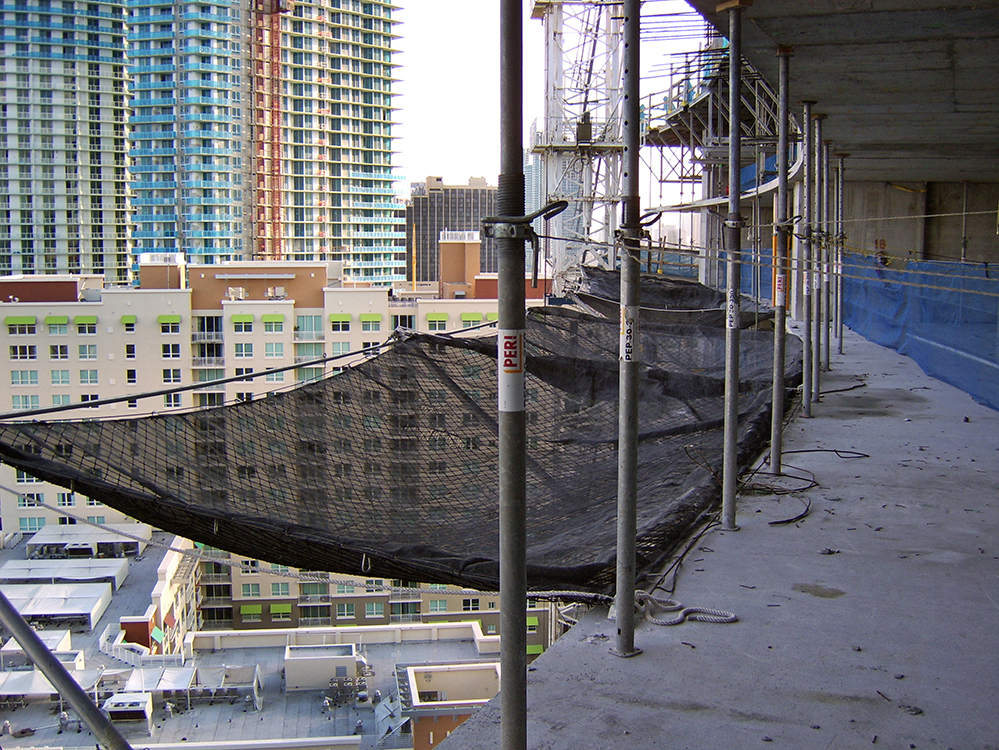
Another, important aspect of protective netting is its inclusion into an entire safety plan. This involves assessing the unique risks of the job site and deciding how netting can best be utilized in conjunction with additional safety measures, like guardrails and PPE. By coordinating protective netting with the overall safety protocols, companies can develop a robust safety culture that not only safeguards workers but also boosts site efficiency and worker confidence.
Netting Safety Guidelines & Adherence
In the building industry, following safety netting regulations is vital for safeguarding workers and maintaining site safety. Authorities, such as the Occupational Safety and Health Administration in the United States, outline specific standards that safety netting must satisfy. These regulations address aspects such as materials, installation practices, maintenance, and fall protection requirements. Builders must comprehend these guidelines to steer clear of penalties and guarantee compliance while promoting worker safety.
Builders are responsible for keeping up-to-date with local and national regulations regarding safety netting. This includes using qualified substances that comply with safety standards and ensuring proper installation techniques are followed. Routine inspections and maintenance of safety netting systems are also necessary to verify their effectiveness and compliance with regulatory standards. Ignoring these requirements not only creates risks to workers but can also lead to legal liabilities and financial repercussions for companies.
Integrating safety netting into your construction jobs requires an ongoing commitment to compliance with regulations. This involves educating staff on safety protocols, conducting routine inspections, and documenting compliance efforts. By prioritizing safety netting regulations, contractors demonstrate a commitment to safeguarding their workforce and minimizing injuries at work, ultimately fostering a culture of safety that is advantageous for all parties in the construction effort.