

Blocked pipes can be a homeowner's worst headache, disturbing daily activities and leading to costly maintenance if left untreated. CCTV drain surveys could be it is the kitchen sink struggling to drain after a meal or the shower water pooling around your ankles, comprehending the common causes of these obstructions is essential for prevention and management. Understanding how to identify the early signs of a potential clog can save you time, money, and frustration before it becomes a serious issue.
This piece will explore a selection of creative solutions for unclogging drains, from straightforward DIY methods to when it may be advisable to call in a professional. We will cover the full spectrum from natural remedies that can successfully clear obstructions to the dangers of using chemical drain cleaners. Additionally, we will provide helpful tips on maintaining your drains to avoid future issues and discuss the tools and techniques that professionals utilize to tackle persistent clogs. Together, we'll ensure that your drains stay unobstructed and running smoothly.
Grasping Clogged Drainage Systems
Obstructed drains represent a frequent household problem that can lead to serious issues if left unaddressed. Different factors play a role to this issue, such as the build-up of fur, fat, food particles, and foreign materials. Eventually, these materials create obstructions which restrict the movement of liquid, resulting in slow drainage and overflow. Recognizing the indicators of a potential clog early, such as unusual bubbling sounds or pooling water, is essential for avoiding grave plumbing problems.
Avoiding obstructed drains involves recognizing the most common factors. For example, in basins, grease from preparation can harden within the pipes, while hair is a major factor in toilet pipes. Regular care habits like using drain guards, disposing of waste properly, and not flushing unacceptable items can significantly reduce the risk of clogs. Being aware of these preventative steps will help ensure that your drains stay unobstructed and functional.
In some cases, continuous clogs can signal underlying problems such as tree roots penetrating tubes or old pipe systems. Though many property owners attempt DIY unclogging techniques, it's essential to know the right time to call a specialist. Experts use specialized tools and techniques which can efficiently address tough blockages without damaging your pipes. Recognizing how obstructed drains happen and the optimal methods for stopping and maintenance will help maintain your plumbing infrastructure in prime condition.
Preventative Strategies
One of the most effective ways to steer clear of clogged drains is through consistent maintenance. Homeowners should develop a seasonal drain maintenance plan to ensure their plumbing systems are consistently checked. This includes maintaining out sink strainers and shower traps, which helps catch hair and food particles before they can cause a blockage. Additionally, dumping boiling water down drains can help melt minor build-up and keep the pipes clear.
Another important aspect of avoiding clogs is being mindful of what you dispose of your drains. For kitchen sinks, avoiding the pouring of grease, coffee grounds, and fibrous foods can significantly reduce the chance of obstructions. In bathrooms, using drain screens can capture hair and soap residue, which are frequent culprits in drain clogs. Proper disposal methods, combined with these simple safeguards, can make a noticeable difference in maintaining unblocked drains.
For those with outdoor drains, routine inspection and cleaning are vital, especially during fall when leaves and debris can accumulate. Ensuring that gutters and downspouts are clear of obstructions also helps stop water from pooling and causing drainage issues. By putting in place these preventive measures, homeowners can save themselves the hassle and cost associated with clogged drains.
Clearing Techniques
When faced with a blocked drain, there are numerous methods you can use to resume regular flow. One common DIY approach is using a combination of baking soda and vinegar. Start by adding half a cup of baking soda into the drain, followed by half a cup of vinegar. Allow this mixture to sit for about 30 minutes, then flush with hot water. This method can successfully break down small clogs caused by grease or soap scum deposit.
For tougher blockages, a drain snake can be a convenient tool. This long, pliable auger can reach deep into your plumbing system and clear hair, debris, and other blockages that may be out of reach. Insert the snake into the drain and twist it to hold the clog, then pull it out slowly. This method is often much more effective than relying solely on harsh cleaners.
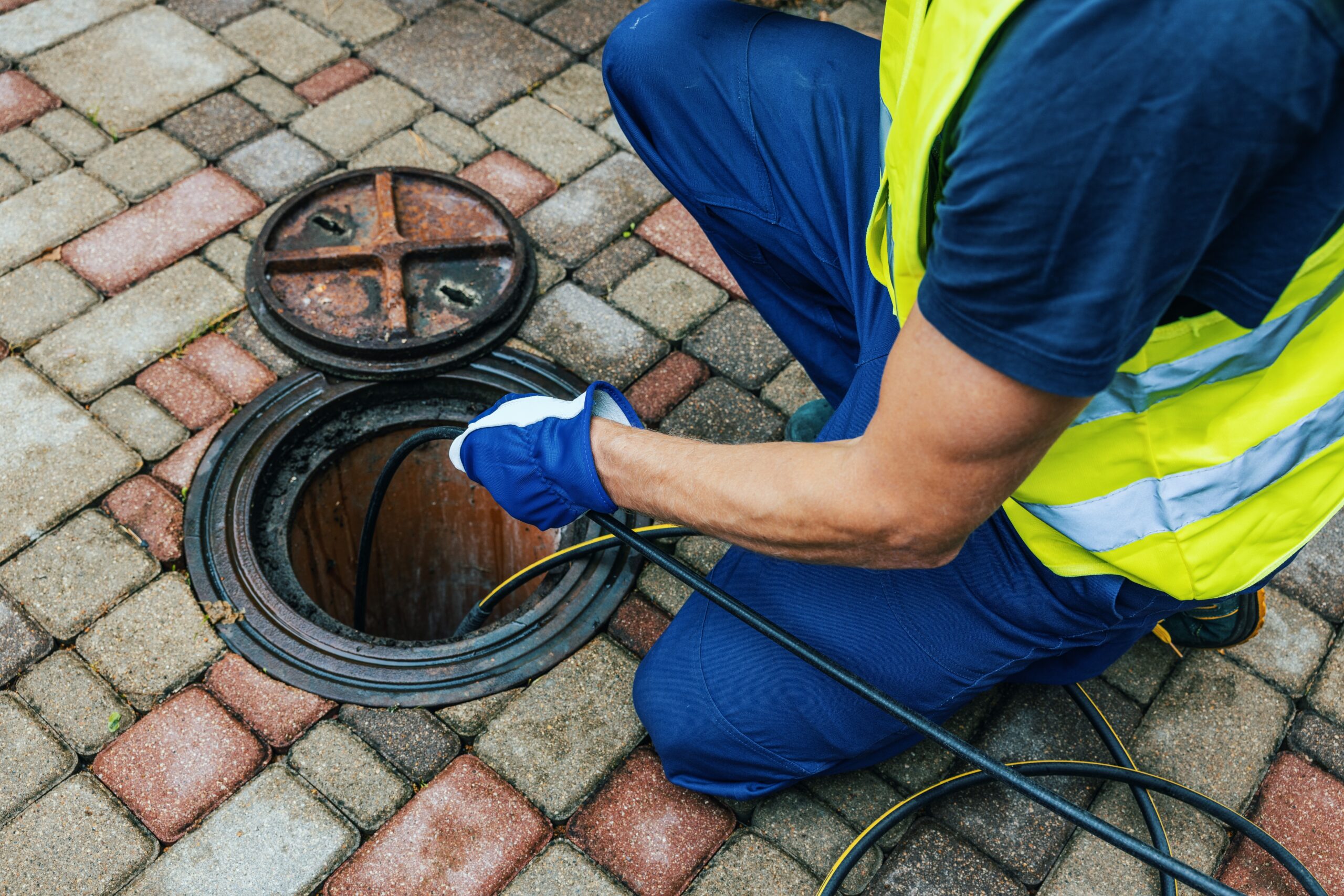
In cases where the clog remains or is especially severe, professional plumbing services may be necessary. Experts have access to advanced tools like hydro jetting and drain cameras that can thoroughly clear blockages and detect underlying issues. Using these services not only fixes the immediate problem but also aids to long-term drain health, ensuring your plumbing system is kept in optimal condition.