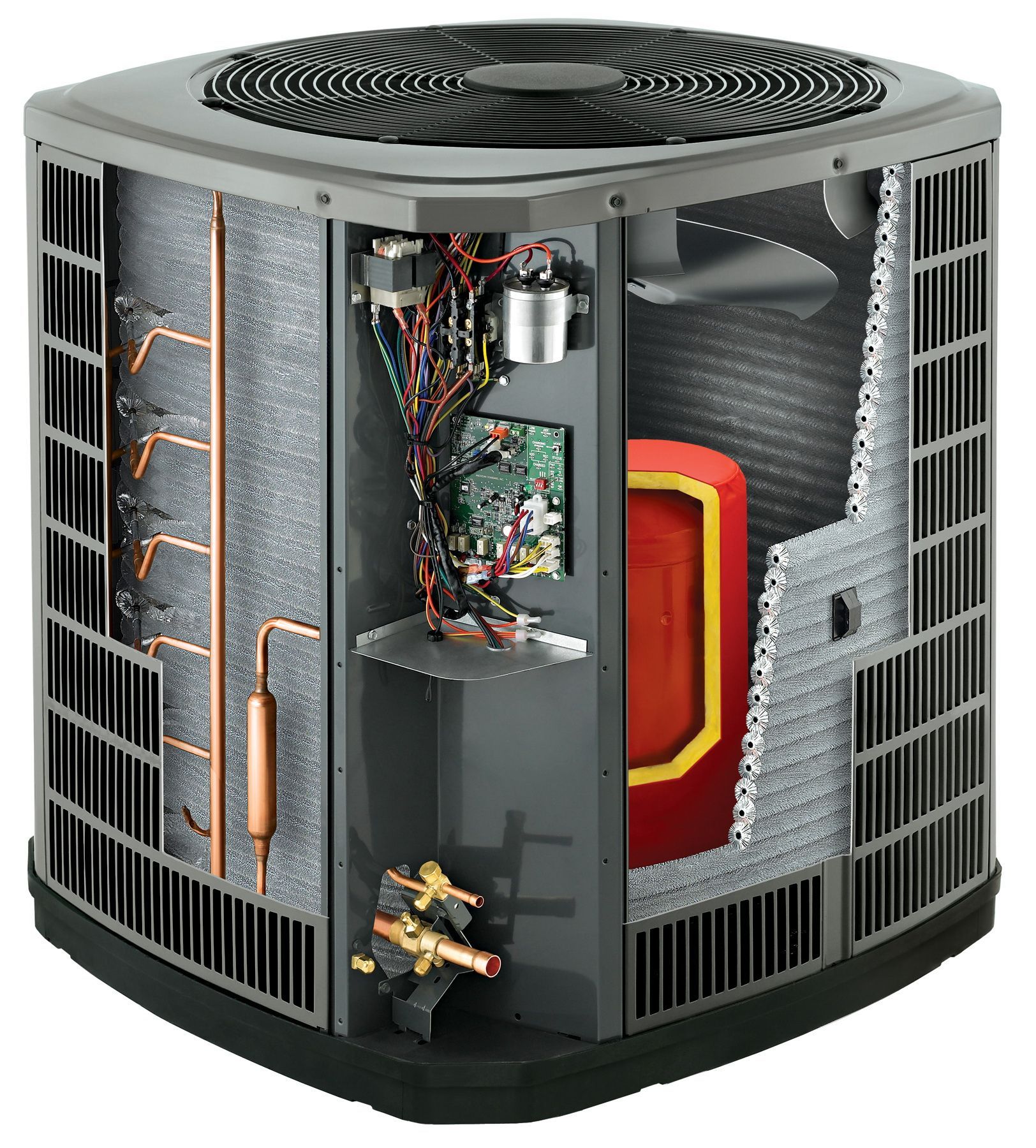
As temperatures increase and the demand for comfort escalates, modern air conditioning units are evolved well beyond simple temperature control. Today, these systems have been infused with smart technology and innovative features designed to improve efficiency, convenience, and indoor air quality. If you are considering upgrading your current system or buying a new unit, understanding the array of smart capabilities available can help you make a better informed decision.
From integrating with smart home systems to providing real-time energy usage data, the latest air conditioning units can dramatically improve your living environment. In this article explore the essential features to look for when buying an air conditioning unit, how these systems can promote better air quality, and the various options available for different spaces, such as small apartments, commercial establishments, and even server rooms. As we delve into the world of modern air conditioning, you’ll discover how smart technology is transforming comfort and efficiency in our homes and workplaces.
Crucial Aspects To Keep in Mind Choosing an AC Unit
Selecting the appropriate air conditioning unit for your home requires various key considerations that can substantially impact convenience and efficiency. One of the key considerations is the size of the unit. An air conditioner that is excessively small will have difficulty to cool your space effectively, while one that is unnecessarily large can lead to inefficient energy use and humidity control issues. To identify the appropriate size, it’s crucial to consider the area size of the space you need to cool, along with other considerations such as thermal insulation, the quantity of openings, and area climate characteristics.
Energy performance is another vital aspect when selecting an AC unit. Look for models with elevated SEER ratings, which show better energy performance. Opting for an energy-efficient unit can lead to noticeable savings on utility costs over time and reduce your environmental effect. Additionally, consider whether features such as programmable settings, smart thermostats, and inverter technology are offered, as these can enhance efficiency and offer more management over your indoor environment.
Ultimately, the installation process and ongoing maintenance requirements should not be disregarded. Professional installation is essential to ensuring optimal performance and longevity of your installation. Furthermore, you should be aware of the maintenance tasks required for keeping your air conditioning unit in peak condition. Regular maintenance can avoid common problems and lengthen the life of your unit, ultimately leading to improved indoor air quality and ease.
Comprehending Diverse Categories of Air Conditioning Units
While selecting an air conditioning unit, it is essential to grasp the various types available on the market. Central air conditioning systems are the most prevalent choice for spacious homes, as they use a system of ducts to circulate cooled air throughout several rooms. They provide a reliable and efficient cooling experience but demand a more involved installation process and can be more costly. On the other hand, ductless mini-split systems provide flexibility for homeowners who want to cool particular areas without the need for ductwork. These units consist of an outdoor compressor and indoor air handlers, permitting customized temperature control.
An alternative is portable air conditioning units, which are perfect for renters or those in search of temporary cooling solutions. These units can be transported from room to room and typically vent through a window, which makes them a practical choice. However, they may not be as robust as central or ductless systems, and their efficiency can be diminished due to their size. Wall-mounted units, comparable to ductless systems, are also favored for their ability to save space and provide immediate cooling without the requirement for significant modifications.
In conclusion, commercial air conditioning units are essential for businesses and large retail spaces. These units are designed to handle higher cooling loads and are built for resilience and dependability in busy areas. Businesses often require tailored systems that can maintain desired temperatures across large areas, making it imperative to choose units that deliver both performance and efficiency. Comprehending these diverse types of air conditioning units is essential in selecting the right fix for your particular needs.
Maintenance and Efficiency Suggestions for Maximum AC Performance
Regular maintenance is essential to ensuring your air conditioning system functions efficiently and efficiently. Begin by cleaning or swapping filters every one to three months, as dirty filters can limit airflow and decrease the unit's efficiency. Dust and debris can build up on the coils and fins as well, so it’s crucial to keep these areas clean to promote optimal airflow and thermal exchange. Arrange annual professional check-ups to identify potential issues before they worsen, ensuring your unit runs smoothly throughout the season.
Additionally, think about the location of your thermostat. If http://www.newcastleaircon.co.uk/best-Air-Conditioning-Units-tyne-and-wear s positioned in a room that gets direct sunlight or near heat-generating appliances, it could impact the system's efficiency by misjudging the temperature. Installing a programmable thermostat can greatly enhance energy efficiency by learning your schedule and adjusting the temperature accordingly. This not only optimizes convenience but also helps to lower energy bills by reducing unnecessary cooling when the space is unoccupied.
Lastly, pay attention to your AC unit's insulation and ductwork. Leaky ducts can cause significant energy loss, causing your system to work harder and potentially resulting in premature deterioration. Sealing ducts in unconditioned spaces can boost efficiency and cut energy costs. Positioning outdoor units shaded can also enhance performance during hot weather, as it prevents the unit from overheating and boosts its operational efficiency, leading to a longer lifespan for your air conditioning system.